A.I. Workflows

Agentic A.I.

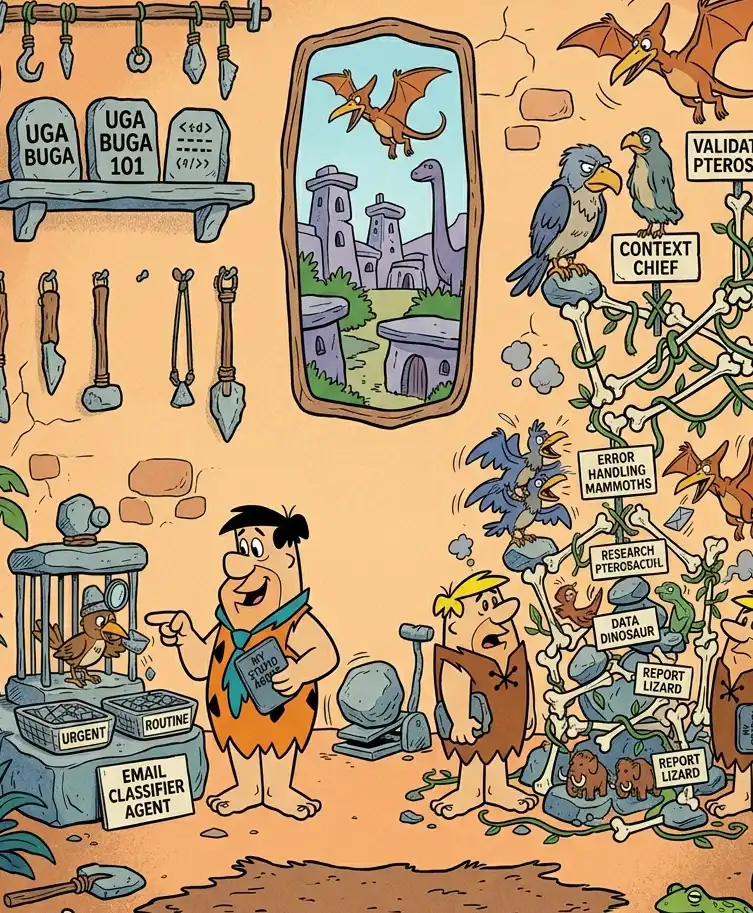
Why Your RAG Pipeline Needs an AI Agent Orchestrator: From Static Retrieval to Dynamic Knowledge Navigation

Traditional RAG pipelines follow a straightforward pattern: embed, search, retrieve. While this works for simple questions, it breaks down under the weight of complexity. Enter the AI agent orchestrator: a sophisticated layer that transforms your RAG pipeline from a static retrieval system into an intelligent knowledge navigation platform—a research partner that plans, executes, and synthesizes insights in real-time.

A.I. Workflows

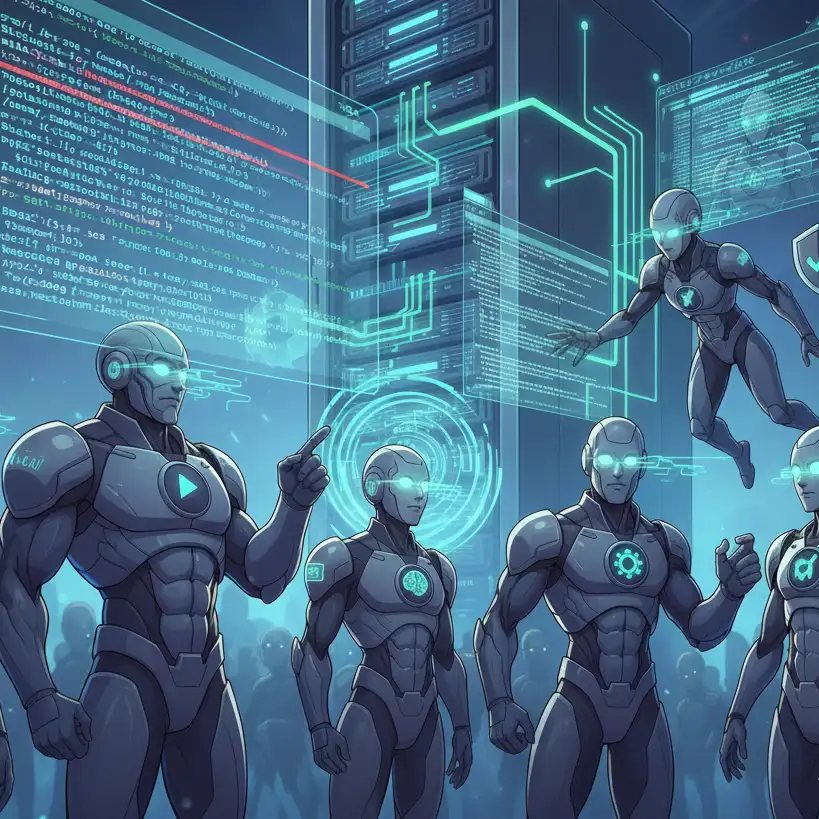
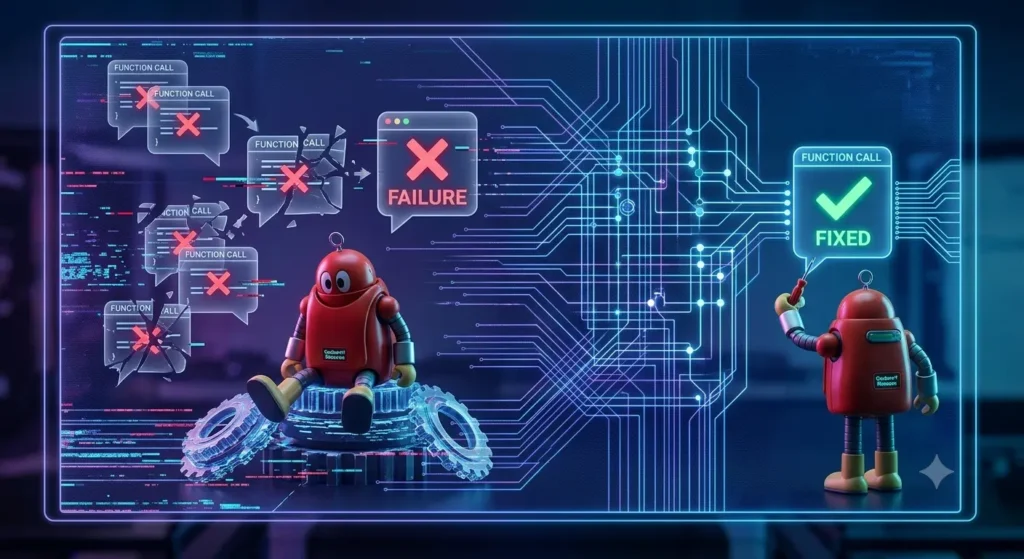
Building Multi-Agent Debugging Systems: How AI Agents Can Debug Each Other’s Code

The software development world is being revolutionized by multi-agent debugging systems, where specialized AI agents collaborate to find and fix bugs in code—even their own! This innovative approach tackles the complexity of AI-generated code, creating truly self-healing software that learns and improves autonomously.

Popular

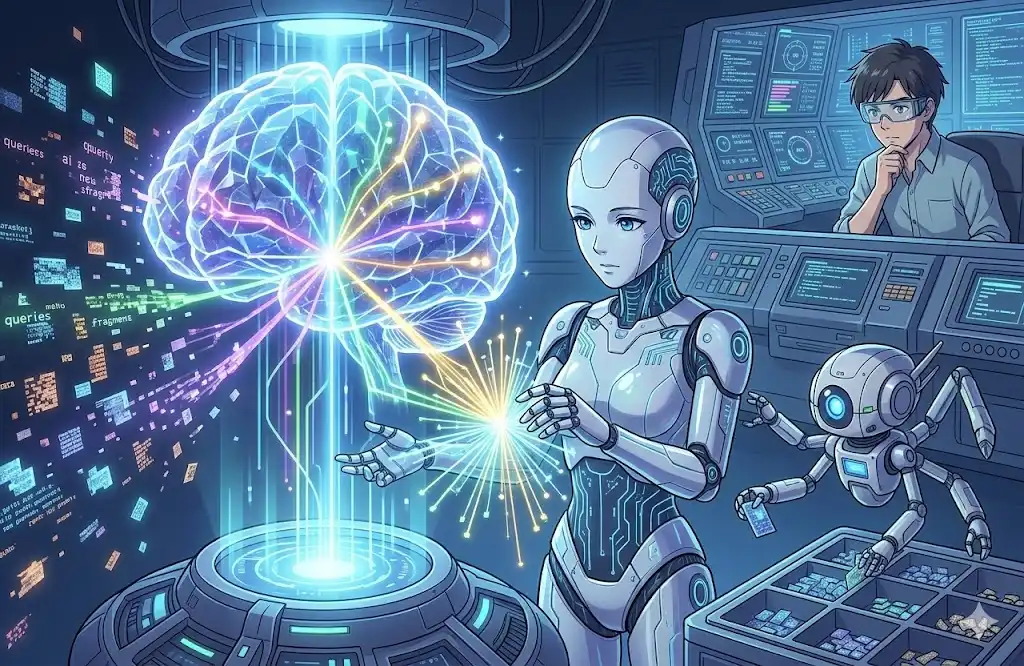
Why Your RAG System Needs an Agentic Memory Layer: Building AI That Learns From Every Query

Stop starting from zero. Traditional RAG systems treat every query like a first date, forgetting everything the moment a session ends. By implementing an Agentic Memory Layer, you can transform your AI from a stateless search tool into a truly evolving assistant—one that learns from every interaction, masters your organization’s unique terminology, and builds a deep contextual understanding over time.

A.I. Workflows

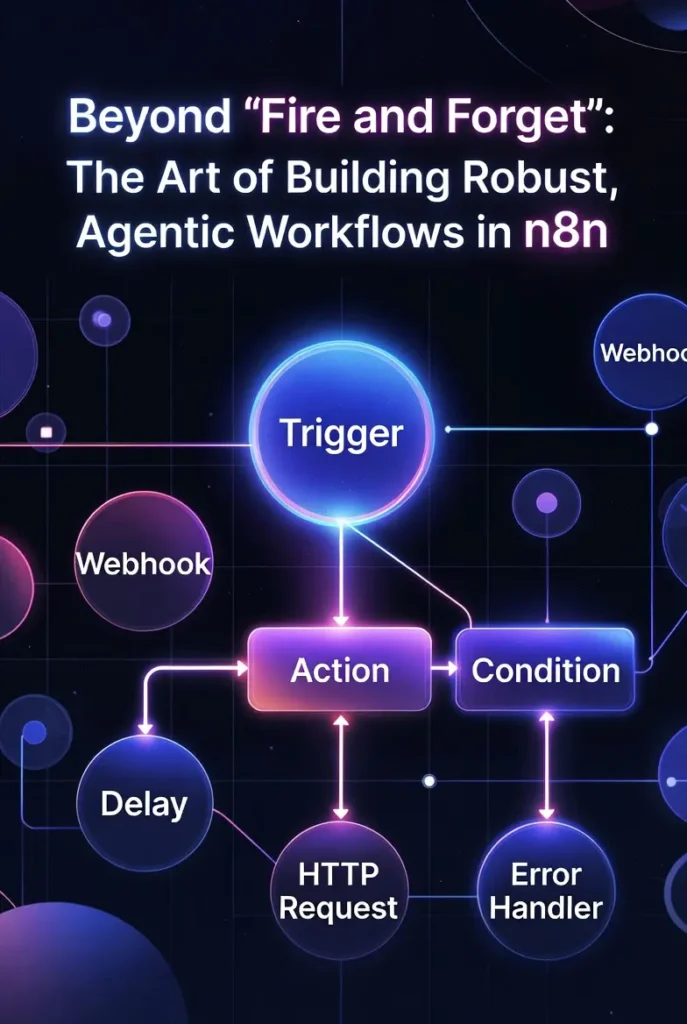
Beyond ‘Fire and Forget’: The Art of Building Robust, n8n Agentic Workflows

Most people design for the ‘happy path’—the sequence where everything works perfectly. But in the real world, APIs fail and data is messy. A truly agentic workflow doesn’t just execute; it reasons. By building ‘critique loops’ in n8n, you move from simple automation to a system that can peer-review its own work, catching errors before they ever reach your customer.

Be the first to know about new posts