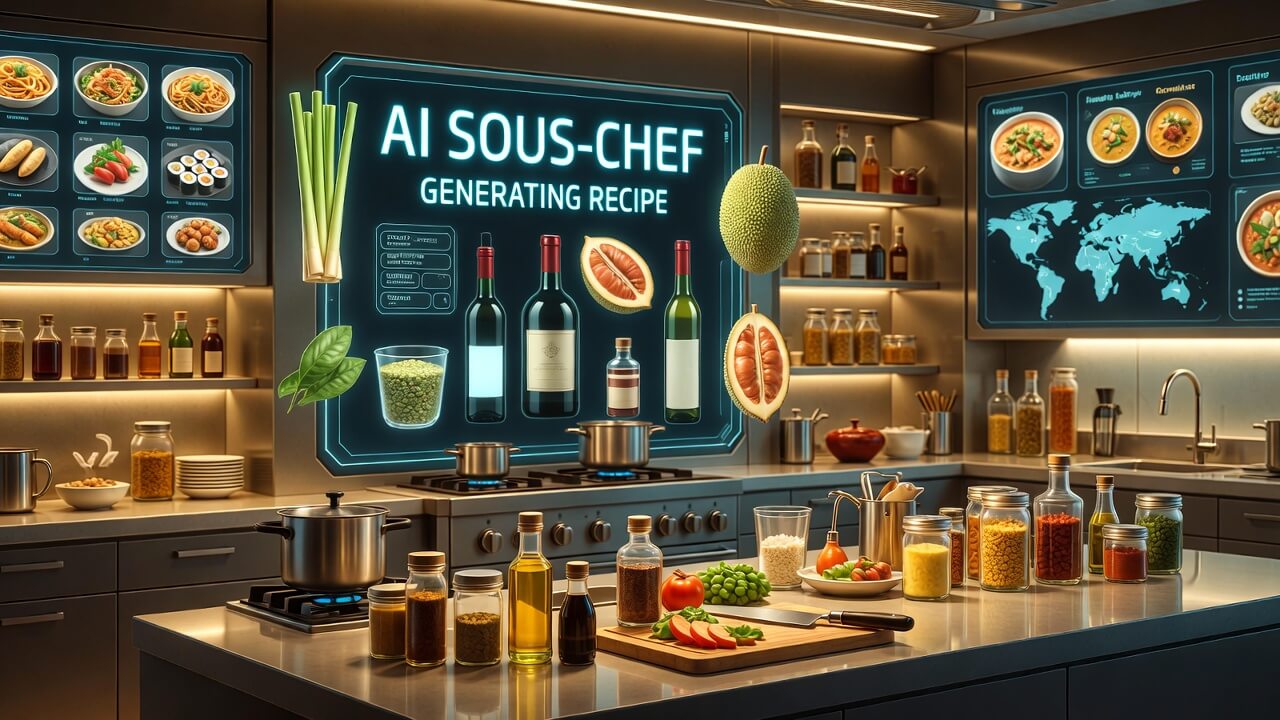
Imagine a world where your fridge whispers secrets to a digital sous-chef, conjuring up meals that perfectly match your cravings, dietary needs, and whatever odds and ends are lurking in your pantry. That’s the magic of artificial intelligence stepping into the culinary realm. No longer confined to sci-fi novels, AI is now whipping up recipes that blend creativity with precision, turning novice cooks into gourmet wizards. From apps that scan your ingredients to generate instant meal ideas to chatbots that suggest wine pairings based on your mood, AI is democratizing the art of cooking. It’s like having Julia Child and a supercomputer team up in your kitchen, promising adventures that go beyond the burnt toast of yesteryear.
At the heart of this revolution are AI-powered recipe generators, which use vast databases of global cuisines to create novel dishes. These systems, trained on millions of recipes, can mash up flavors in ways humans might never dream of—like a Thai-inspired pizza with lemongrass pesto or a vegan twist on coq au vin using jackfruit. Picture this: You input “quick dinner with chicken and broccoli,” and out pops a step-by-step guide that’s not just edible but exciting, complete with nutritional breakdowns and cooking tips tailored to your skill level. Tools like ChatGPT or specialized apps such as Whisk are already making this a reality, sparking a wave of home experimentation where failure is just a data point for the next iteration.
Personalization takes AI’s role in recipes to a whole new level, making every meal feel bespoke. By analyzing your past preferences, health goals, and even biometric data from wearables, AI can craft recipes that evolve with you. Got a gluten intolerance? It swaps in alternatives without sacrificing taste. Training for a marathon? It amps up the protein. This isn’t just convenient—it’s transformative for people with allergies or chronic conditions, turning restrictive diets into flavorful feasts. Stories abound of users discovering hidden gems, like a low-carb lasagna that tastes indulgent, all thanks to algorithms that learn faster than any human palate.
In the professional arena, AI is reshaping how chefs and food scientists innovate. Restaurants use machine learning to predict trends, optimize menus, and reduce waste by forecasting ingredient needs with eerie accuracy. Companies like IBM’s Chef Watson have collaborated with top culinarians to invent dishes that push boundaries, blending molecular gastronomy with data-driven insights. Imagine a fine-dining experience where the menu adapts in real-time based on diner feedback, or AI-assisted robots flipping burgers with perfect sear. This tech isn’t replacing human creativity but amplifying it, allowing chefs to focus on the artistry while algorithms handle the grunt work.
Of course, the AI-recipe romance isn’t without its quirky pitfalls. Early adopters have shared hilarious horror stories of algorithmic mishaps—like suggesting chocolate-covered garlic bread or proportions that yield enough soup to feed an army. There’s also the debate over authenticity: Can a machine truly capture the soul of a family heirloom recipe passed down through generations? Critics worry about over-reliance on tech eroding traditional skills, or the environmental impact of data centers powering these hungry AIs. Yet, these bumps add to the intrigue, reminding us that innovation often comes with a side of trial and error.
Looking ahead, the fusion of AI and food recipes promises a tantalizing future where cooking becomes more inclusive, sustainable, and fun. As advancements in natural language processing and computer vision mature, we might see AI companions that watch your technique via camera and offer real-time corrections, or virtual reality simulations for practicing exotic cuisines. Whether you’re a busy parent seeking quick wins or a foodie chasing the next big flavor, AI is set to make every bite an adventure. So, grab your apron— the kitchen of tomorrow is already simmering today.