Why Your AI Agent Keeps Hallucinating in Production
Your AI agent’s hallucinations aren’t random bugs—they’re predictable failures caused by three architectural mistakes I see repeatedly across production deployments. After debugging dozens of agent
Welcome to Agentica: your guide to mastering AI Agent Workflows, the future of automation and the power of autonomous agents.
Your AI agent’s hallucinations aren’t random bugs—they’re predictable failures caused by three architectural mistakes I see repeatedly across production deployments. After debugging dozens of agent
Zapier’s AI Actions processed 2.3 billion workflow automations last quarter, while most enterprise AI pilots never make it past proof-of-concept. The difference? These seven AI

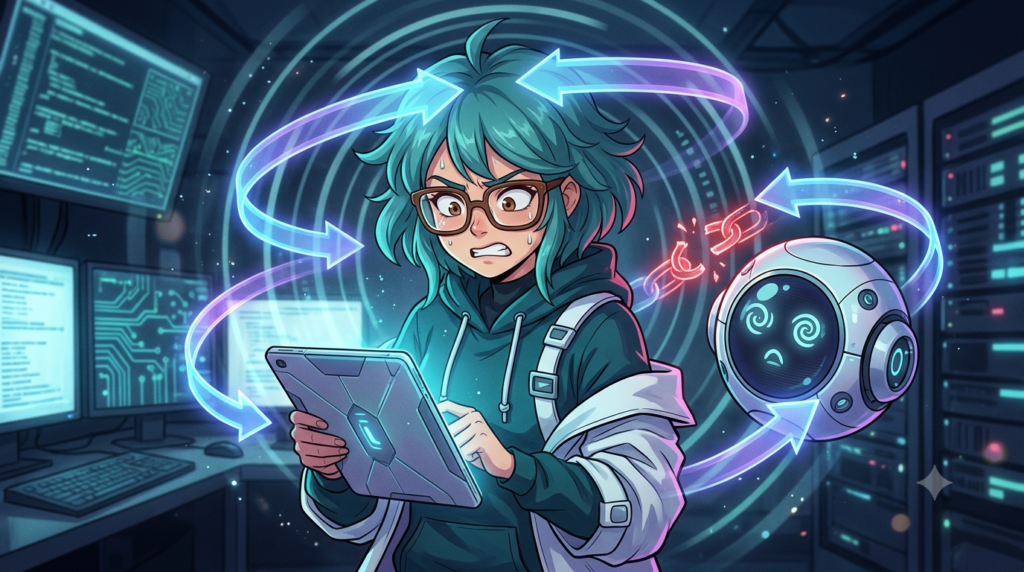
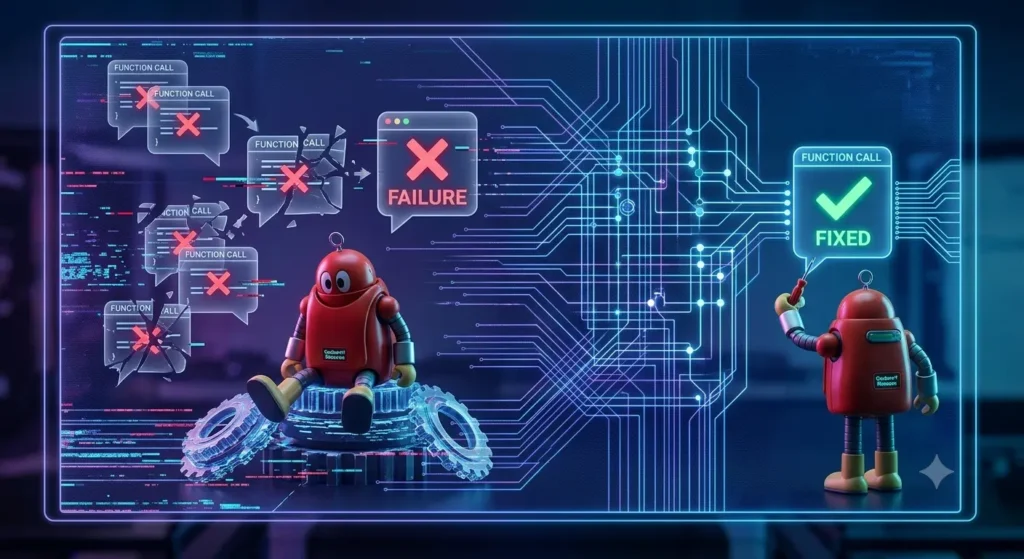
LangChain’s vector database queries started returning empty results at 3:47 AM on a Tuesday, cascading through Zapier’s automated customer support workflows and leaving 12,000 helpdesk
Your AI agent’s hallucinations aren’t random bugs—they’re predictable failures caused by three architectural mistakes I see repeatedly across production deployments. After debugging dozens of agent
Zapier’s AI Actions processed 2.3 billion workflow automations last quarter, while most enterprise AI pilots never make it past proof-of-concept. The difference? These seven AI
A Shopify merchant lost $12,000 in margin when their AI pricing agent started recommending 40% discounts on premium products that should have been marked up.

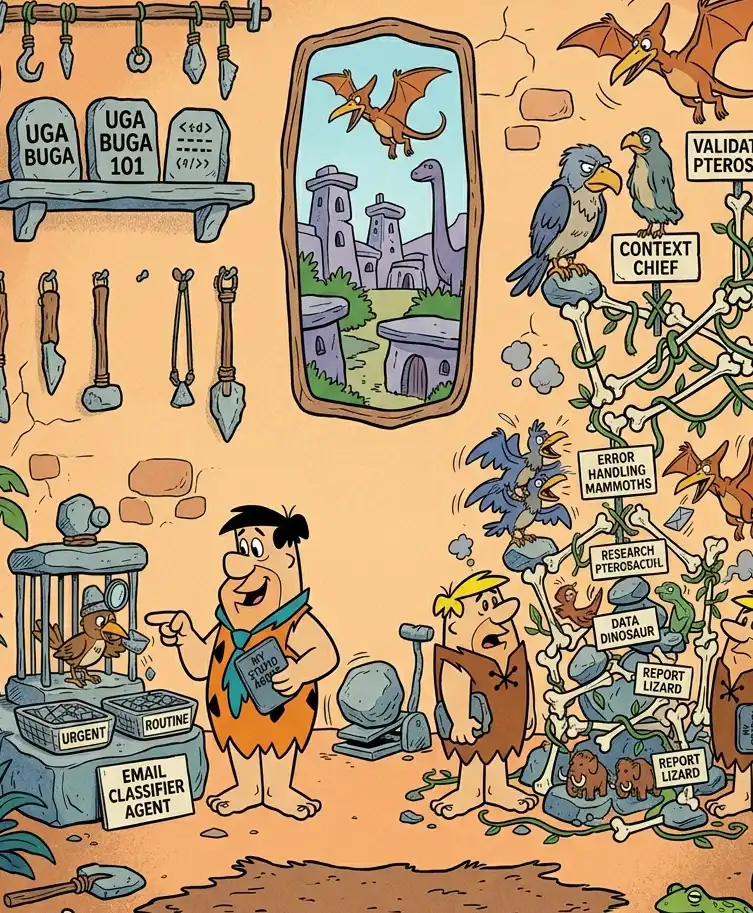
Your first AI agent should be deliberately stupid. Not because AI isn’t capable of complexity, but because simplicity is the foundation of reliability. The most successful AI implementations in production today aren’t the ones that try to replicate human intelligence—they’re the ones that excel at a single, well-defined task.

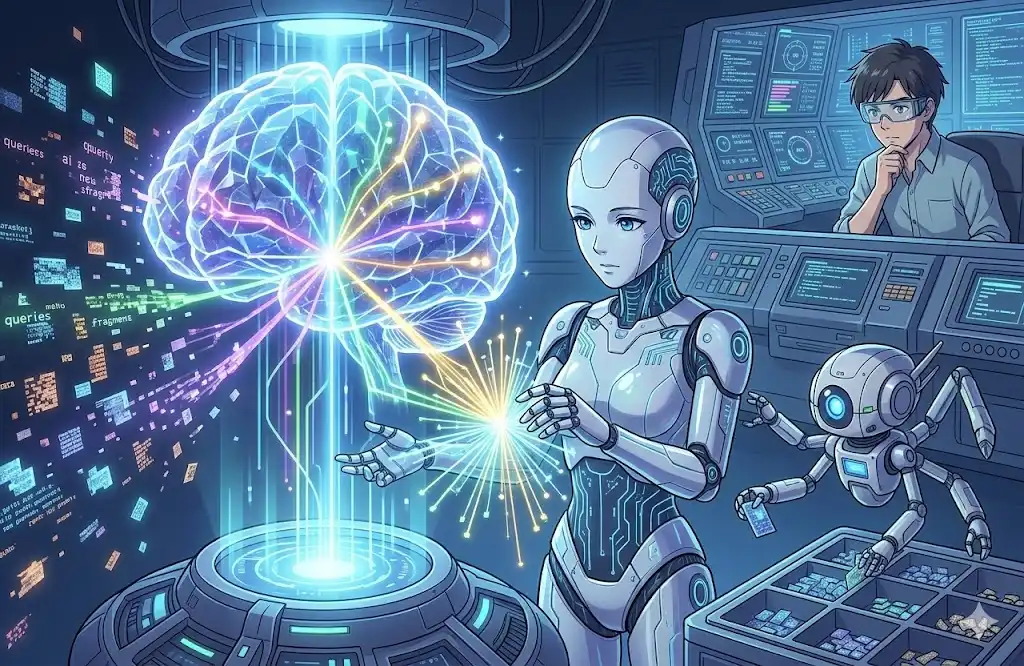
Traditional RAG pipelines follow a straightforward pattern: embed, search, retrieve. While this works for simple questions, it breaks down under the weight of complexity. Enter the AI agent orchestrator: a sophisticated layer that transforms your RAG pipeline from a static retrieval system into an intelligent knowledge navigation platform—a research partner that plans, executes, and synthesizes insights in real-time.

The software development world is being revolutionized by multi-agent debugging systems, where specialized AI agents collaborate to find and fix bugs in code—even their own! This innovative approach tackles the complexity of AI-generated code, creating truly self-healing software that learns and improves autonomously.